Water sports
Mauritius is a perfect destination for water sports. Here is an overview of what you can do.
Surfing
Surfing is possible in the sea off the west coast of Mauritius. The main surfing season is the winter, from May to October, but you can find good waves in the rest of the year too. The surf, especially in Tamarin Bay, became famous in the late 1960s, when hippie surfers, mainly from Australia, came to the island. Tamarin Bay was a very good and unknown spot at that time. There are still some good surf spots on the west coast, but they no longer have the special reputation they had in the 1960s.

The best spot for surfing in Mauritius is still Tamarin Bay, where the Tamarin River flows into the Indian Ocean. Tamarin Bay offers good conditions for beginners, who can stay close to the river mouth where the water is shallow and the ground is sandy. Experienced surfers can surf further out on the reef to the left of the river mouth, where you find quite high, clean, left-breaking waves. When conditions are good you will see many surfers in the water, and it is also interesting for non-surfers to come and watch them.
In addition, Le Morne, about half an hour by car south of Tamarin, has a good surf spot called One Eye Wave. It is only for experienced surfers because of the height of the waves, the strong current and the reef just below the wave. The spot is also quite far from the beach, so most surfers go out to One Eye by boat. Surf schools do not teach at this spot and do not allow their rented equipment to be used there. If you still want to surf here, go only with local surfers who know the spot well.
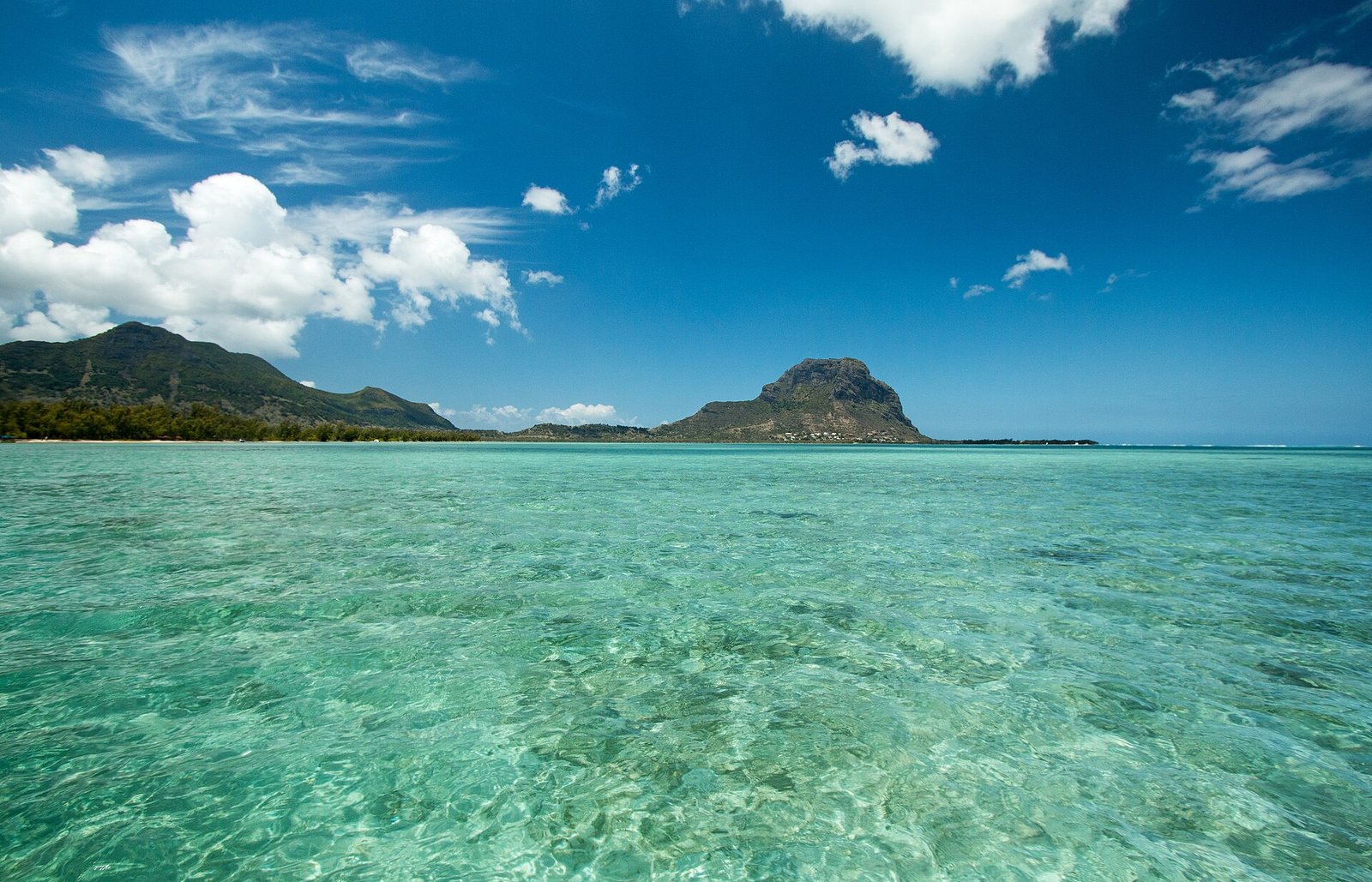
The third well-known surfing spot is approximately 15 km further east along the south coast from Le Morne, at Rivière des Galets in front of the small island Ilôt Sancho. This spot is also not suited for beginners, because of the strong current and the shallow water over the reef.
Dangers
In Tamarin Bay you may meet the so-called “White Shorts”, a group of surfers found at famous surf spots around the world who surf quite unfairly and bully tourists. In other countries they can be very brutal, but in Mauritius they are relatively harmless. Nothing has really happened even to foreign surfers since they have existed here. As long as you treat them with respect and share the waves fairly, there is no need to worry. If you want to surf every wave yourself and give other surfers no chance to catch any, you can expect to get into difficulty.
Solar Sea Walk in Grand Baie
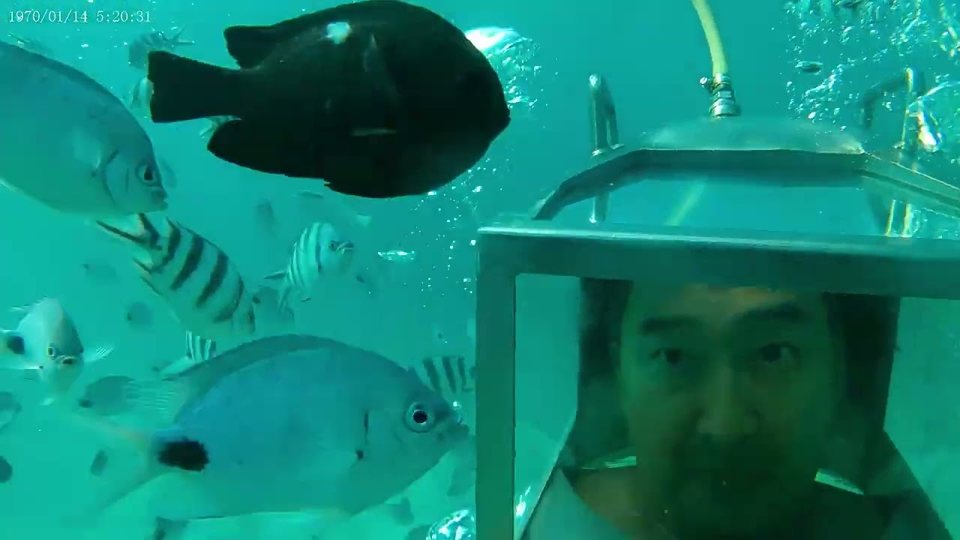
If you would like to see the beauty of the underwater world, try the Solar Sea Walk in Grand Baie and discover what lies beneath the surface of a tropical lagoon in the north. Together with the experienced Solar Sea Walk team you will see the corals and tropical fish that live in the three to four metre deep water of the Mauritian lagoon. You are also given some bread, so you can feed or even touch the fish.
The underwater tour is suitable for everyone aged 7 and above. Whether you are an experienced swimmer or a non-swimmer, you can enjoy a gentle walk on the bed of the Indian Ocean.
One 87-year-old lady even did the walk on crutches, because she wanted to show her grandchildren that she could do it. She enjoyed the trip without any problems and liked it so much that she came back two years later to do it again.
Solar Sea Walk in Grand Baie has been the pioneer of this activity in Mauritius since 1988. After eleven years they redesigned their platforms to be environmentally friendly, installing solar-powered compressors instead of normal petrol ones. This system, unique in Mauritius, sends a constant stream of fresh air to your helmet, so you can walk leisurely on the seabed.
You can book your Solar Sea Walk on the operator’s website, by phone or by e-mail. Sessions run from Monday to Saturday at 10:00, 12:00, 13:30 and 15:00; on Sundays the operator is closed. You meet at the meeting point on Grand Baie beach and should be there at least 30 minutes before your session. A boat then takes you inside the reef to the solar-powered platform. The total time of the excursion is approximately one and a half hours, of which you spend about 20 minutes on the sea floor at a depth of 3 to 4 metres.
The price is MUR 2,300 per diver. Visitors who do not want to dive are welcome aboard for MUR 600 per person (boat ride only), and infants from 0 to 2 years are free. An underwater video of your walk can be added for MUR 1,700. The operator runs the sessions in light rain, but a trip may be cancelled because of strong winds, rough seas or other unforeseen circumstances; in that case an alternative date is offered.
Do not forget your swimsuit, a towel and perhaps some warm clothes for the way back.
Solar Sea Walk
Grand Baie
Phone / WhatsApp: +230 5253 6961
E-mail: contact@solarseawalk.com
Website: solarseawalk.com
Opening hours: Monday to Saturday 8.30 am to 5 pm, closed on Sundays
Google Maps: Solar Sea Walk


Kitesurfing
My first kite lesson was many years ago on Sylt. The wind there was very gusty, and I had my hands full just controlling the kite. I never managed to get onto the board properly. On every holiday by the sea I dreamed of learning to kitesurf the right way.
In Mauritius the conditions for kitesurfing are ideal. Most of the time the wind is steady, the water is flat, there are no waves and there are not too many amateurs on the water. The best kite spots are around Le Morne in the south-west of the island. My kite teacher at the time, Yoan, had a lot of experience, and I took my first lesson with him there.
I soon met Seve, 45, from England. It was his third lesson, and he quietly admitted that he was a little nervous because it was the first time he had to handle the board and the kite at the same time. We amused each other, and I realised that the kite scene is not full of machos: everybody is welcome. In La Gaulette, which is very close to the kite area, there are a few kite shops and friendly restaurants where you can meet kitesurfers you remember from the beach.
But back to the lesson. Neoprene wetsuit, harness, neoprene shoes, helmet, and into the water. Yoan was an extremely likeable and competent teacher, and he saw immediately what I could do better to get up on the board. On my next attempts I noticed that I was steering the kite either too hard or too high. Whatever I tried, I ended up in the water every time. The seawater here is extremely salty, and I longed for ordinary drinking water. But no way! We had to stay out for an hour and a half, and I kept trying to find the point at which I would glide over the water instead of plunging into it. Yoan gave me a lot of tips, and after a while I understood where my balance point had to be.
I did it! I rode a few metres, but then, in despair, I had to jump into the water, because nobody had told me how to turn around.
Happy, and with the good ache of tired muscles, I went back to the beach.
If you would like to learn kitesurfing at Le Morne, Air Switch Kitesurfing runs a kite school there. They teach with at most two students per instructor, in German, English and French.
Air Switch Company Ltd
Pik Pik Surf-Village, Le Morne
Phone: +230 5935 3400
E-mail: info@air-switch.com
Website: www.kitesurfing-mauritius.net
Opening hours: daily 9 am to 5.30 pm
Google Maps: Air Switch Kitesurfing
Snorkelling
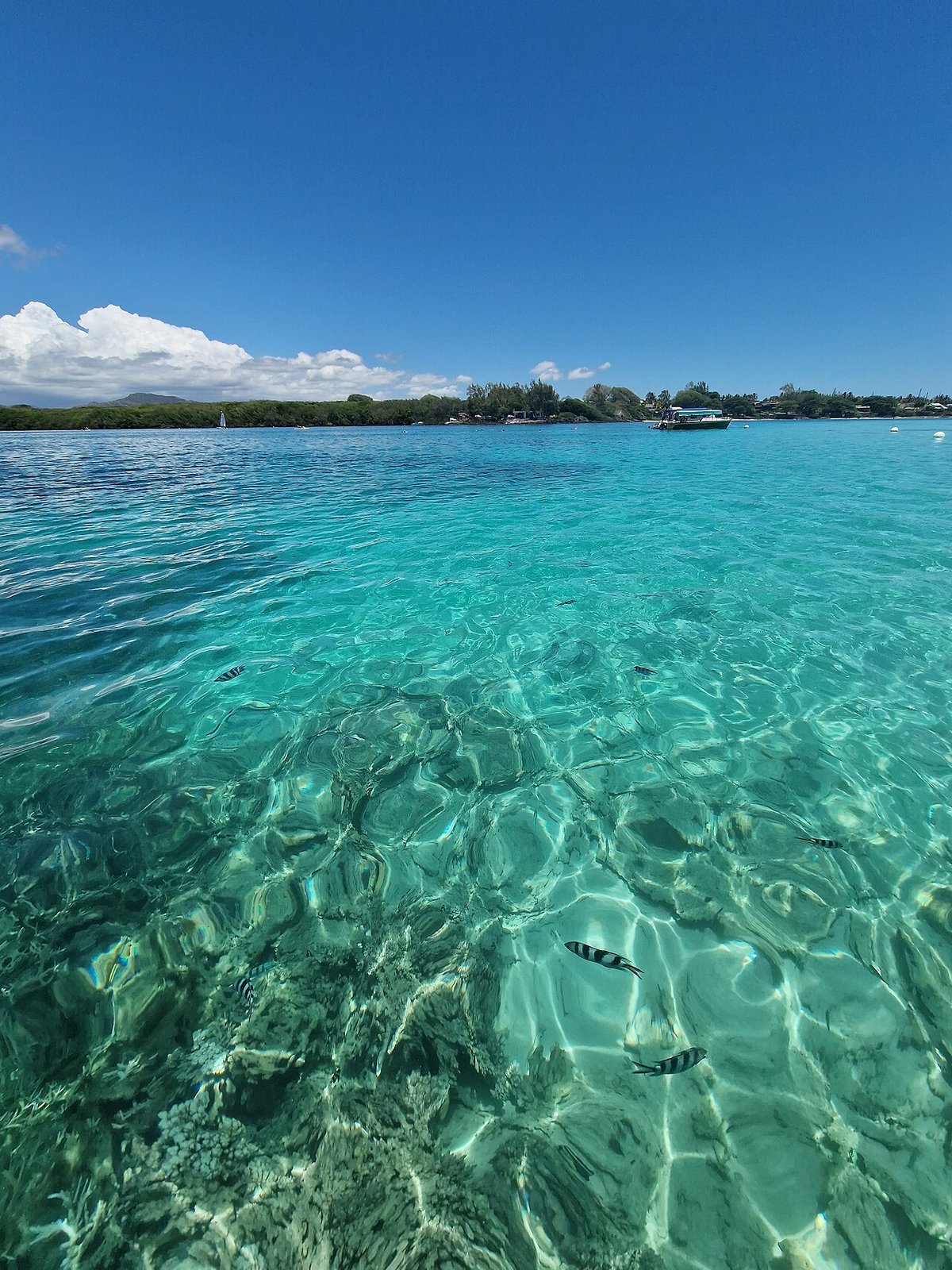

Where to go snorkelling? So many people asked me that I decided to find out for myself. First I had to get used to the mask and snorkel, and I found that it really is as easy as it looks and everyone says. Probably everyone who can swim can snorkel, and nobody should miss the chance to see everything that is hidden in the sea. Here are some tips and an overview of the spots I have tested.
- The risk of sunburn under water is extremely high. Even with waterproof sunscreen of the highest sun protection factor, you should not stay in the water too long. The best idea is probably to wear a T-shirt, but put on sunscreen even then, because the danger of heavy sunburn is high.
- It is obvious, but was not clear to me at first, that most fish are found where the reefs, plants and rocks are. The beach of our dreams often has no easily accessible snorkelling spots, and water sports such as waterskiing do not help to create a colourful underwater world. So it can help to swim out to the edges of the beaches and bays.
- If the corals are too far away, you can try diving down. Just hold your breath and dive. Do not forget to equalise the pressure by breathing out slowly and keeping your hand on your nose. Please do not try this on your own, and start slowly.
Pereybère
If you are in Pereybère anyway, it is definitely worth snorkelling for a while. On the left side of the bay (looking out to sea) you can see some nice fish. A small minus point is the currents, which can be a little annoying. On the right side of the bay I found only dead corals and no plants. Overall there are some nice places to discover under water, but there are better ones in the north, such as Trou aux Biches.
Mont Choisy
Mont Choisy is not really good for snorkelling. Visibility under water is average, and there are hardly any fish or corals. The north of the beach is especially uninteresting, but in the southern section you might find some fish. After one hour of snorkelling and a sunburn I saw a zebrafish and a sea cucumber. You just need a little patience. Trou aux Biches is better for snorkelling and not too far away.
Trou aux Biches
The public beach of Trou aux Biches is very good for snorkelling. The water is extremely clear and there is almost no drift. What makes Trou aux Biches such a good snorkelling spot is that the reef is close and the underwater world is easy to reach. Just go into the water, swim a few metres, put on your mask and you can see colourful corals and countless fish. It is the best snorkelling spot I have tested so far!
Flic en Flac
The whole beach is good for snorkelling. If you are a bit patient, you will find wonderful colourful fish. To get into the water it is better to wear shoes or flippers, as there are many shells. The water is quite clear and there are not many boats. The underwater world is especially beautiful at the northern end of the beach, at the “Danger” sign.
Le Morne
Another really good snorkelling spot is at the Paradis Beachcomber hotel in Le Morne. The beach is not easy to access (you have to go through the hotel), but the snorkelling is all the more beautiful. Just get into the water and you can see many beautiful fish. The water is extremely clear but can be a bit wavy, as it is very windy. Ask at the hotel reception whether day visitors are admitted.
Blue Bay
Blue Bay is a well-known snorkelling spot. The water is clear most of the time and there are lots of fish. The nice thing about Blue Bay is that many boats take tourists to the best spots easily and inexpensively.
But you do not have to go that far: snorkelling from the beach is quite good, too. Looking out to sea, on the right-hand side there are wonderful corals and plenty of fish in all the colours of the rainbow. The only thing that could get me out of the water was the fear of getting a sunburn!
Map
On this map you can find the places I have already tested. Click on a place on the map and a window opens with more information. If you zoom in a bit closer, you can also see places that I have highlighted.
Snorkelling Mauritius – view on a larger map
Scuba diving
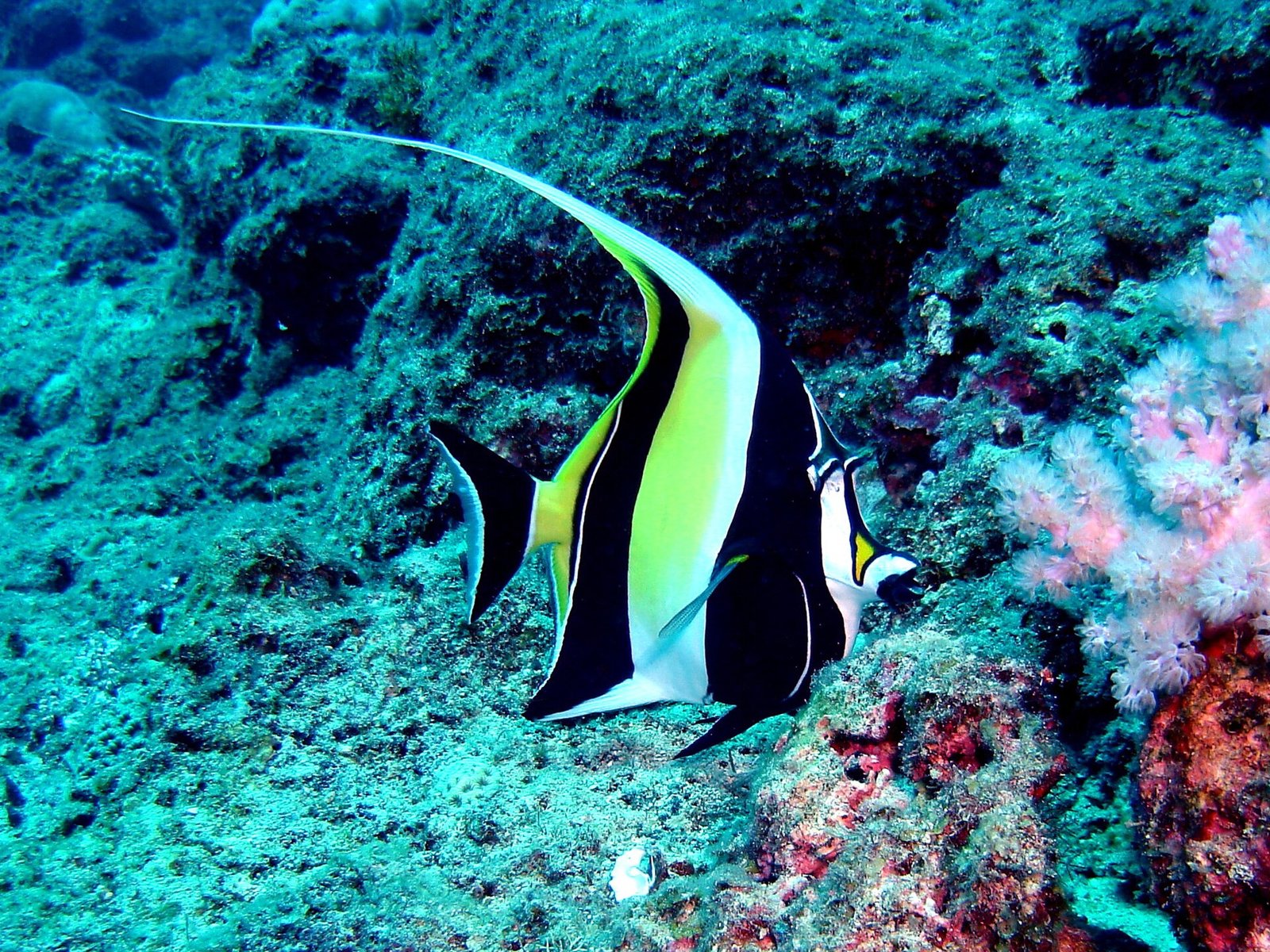

If you like snorkelling, you will love scuba diving. It is one of the most fascinating things I have ever experienced. You discover a whole new world in the magnificent blue of the ocean, a world so colourful that it is hard to imagine: fish of all sizes and colours, exotic creatures such as moray eels, turtles or even dolphins, and corals that resemble forests and give a home to most of the small fish.
Wherever you stay in Mauritius, whether in the south, north, east or west, the island is surrounded by fabulous reefs, and the dive team on the spot will provide everything you need for an unforgettable day under water.
Below are a few dive centres we can warmly recommend: two in the north (Pereybère) and two in the west (Flic en Flac and Tamarin).
Orca Dive Club – Pereybère
ORCA Dive Clubs run dive centres in Egypt, Indonesia and Mauritius, and a dive club in Germany. The Mauritius centre opened in 2007 and is now based at the Hibiscus Beach Resort & Spa on the Royal Road in Pereybère, right on the beach, close to the floating jetty where the dive boat is moored. It has ten complete sets of equipment, steel tanks and its own compressor, and it offers Nitrox.
Courses are taught under SSI and CMAS, from a two-to-three-hour “Try Scuba Diving” session (minimum age 8) up to professional level, and the club gives a money-back guarantee if you find on the first day of a beginner course that diving is not for you. Courses are offered in several languages, always including German. Besides diving, ORCA also offers speedboat trips and snorkelling. A current price list can be downloaded from the website.
ORCA Dive Club Mauritius
c/o Hibiscus Beach Resort & Spa, Royal Road, Pereybère
Phone: +230 5940 2016
E-mail: info@orca-diveclub-mauritius.com
Website: www.orca-diveclubs.com/mauritius/pereybere
Opening hours: Monday to Saturday 7.30 am to 5 pm, Sunday 7.30 am to 3.30 pm
Google Maps: ORCA Dive Club Mauritius
Ocean Spirit – Pereybère
Ocean Spirit is a small, friendly PADI 5 Star ECO Green Fins dive centre on the coastal road in Pereybère. The instructors take you to 65 dive sites around the northern islands of Mauritius, with wrecks, turtles, sharks and healthy coral reefs. Dive groups are small (generally four divers per instructor, never more than eight), and dive briefings take place at the dive shop before every dive.
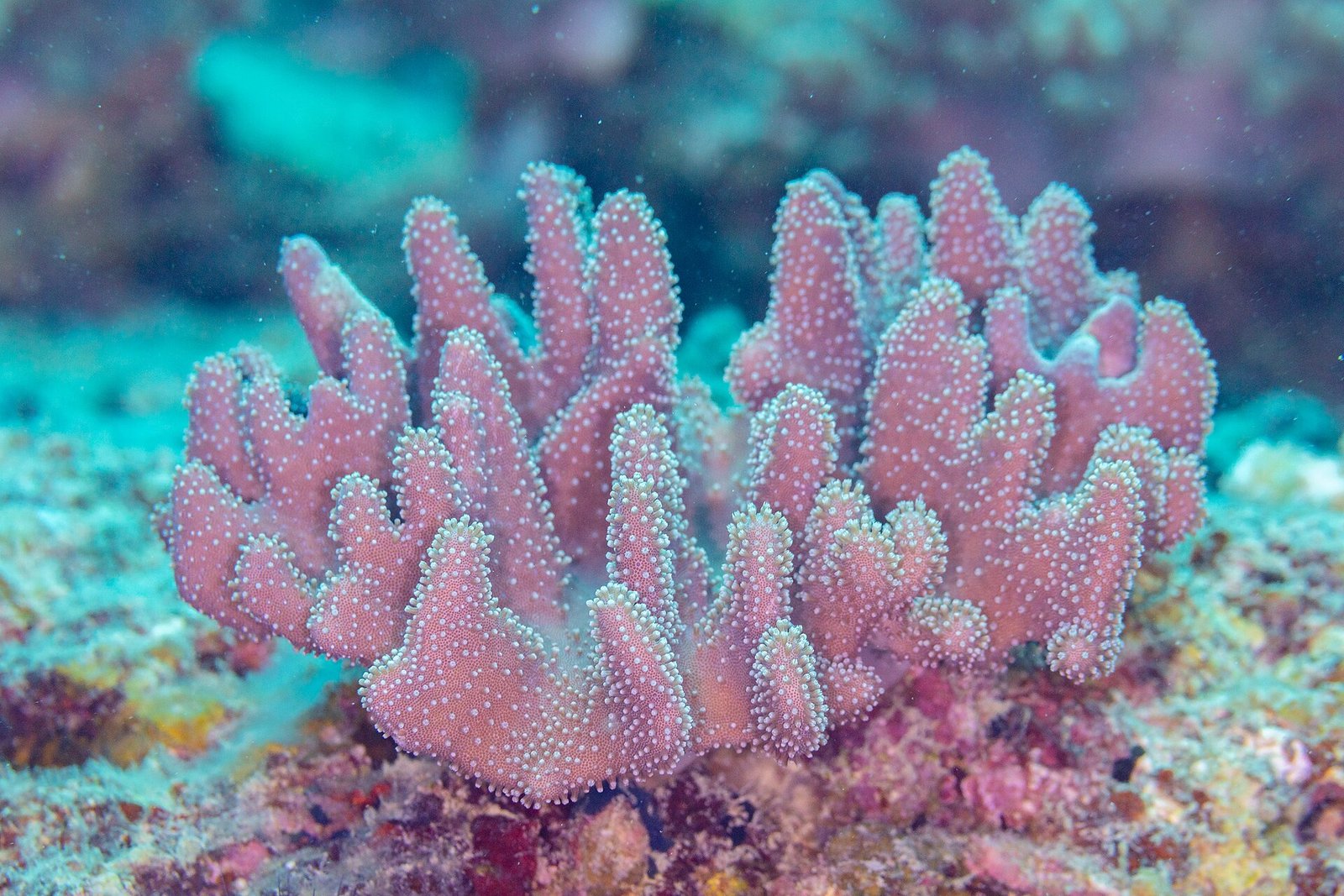

The centre offers PADI courses from Discover Scuba Diving up to Divemaster, Nitrox courses and Emergency First Response, as well as safari dives to Coin de Mire or Trou aux Biches and shark dives for advanced divers. Prices are listed in Mauritian rupees on the website; for example, a “Best of the North” package of ten dives, including a two-dive safari to Coin de Mire and two dives at Trou aux Biches, costs MUR 20,000 (equipment not included).
Opening hours: Monday to Saturday 8 am to 4.30 pm, Sunday 8 am to 1.30 pm.
Ocean Spirit
Coastal Road, Pereybère
Phone: +230 263 44 68; WhatsApp: +230 5255 2732
E-mail: info@osdiving.com
Website: www.osdiving.com
Google Maps: Ocean Spirit
Ticabo Diving Centre – Flic en Flac
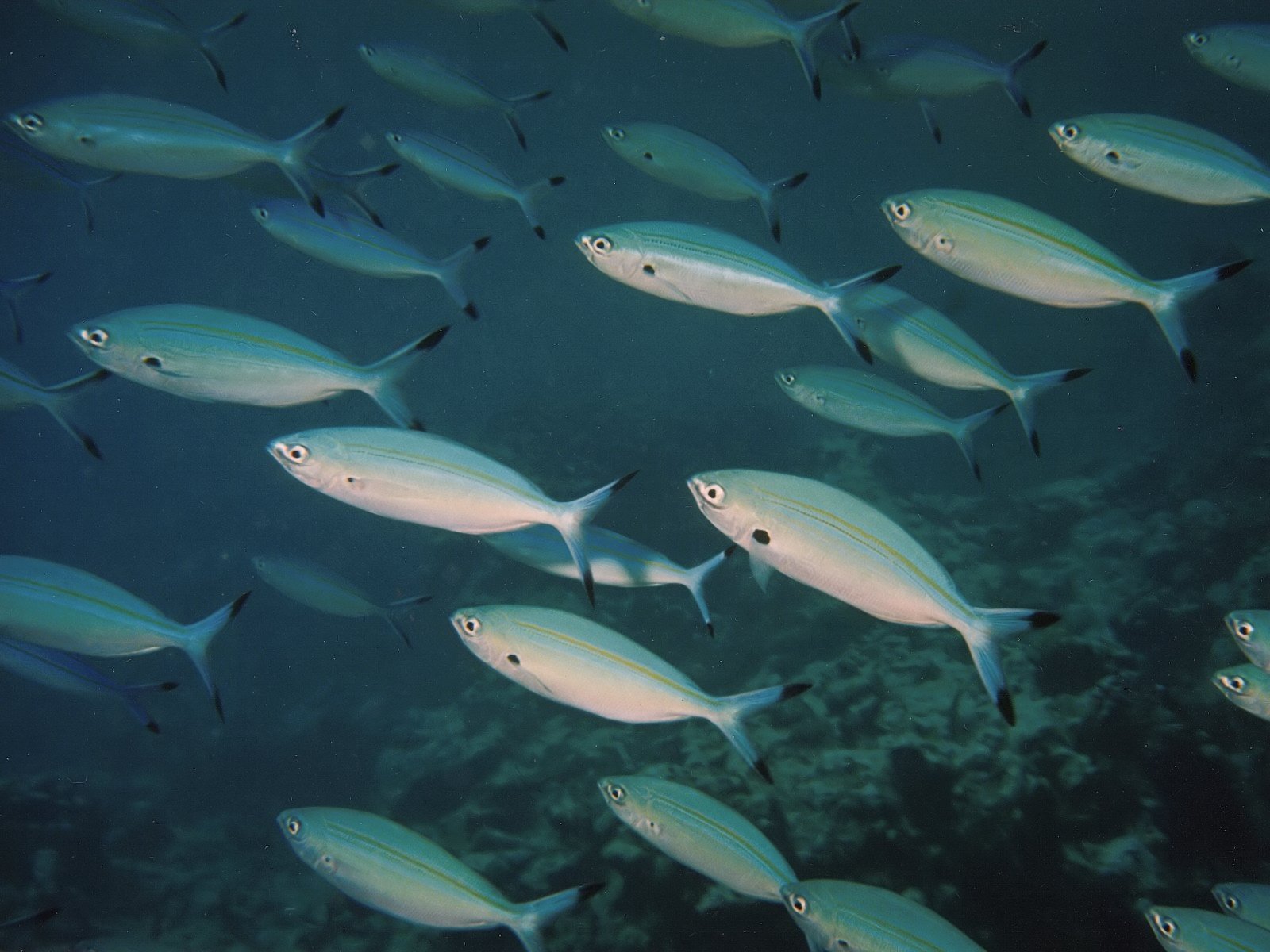

Ticabo is a small independent diving school on the Royal Road in Flic en Flac and has been running since 2007. It offers PADI courses and guided dives from its own boat, and the team speaks English and French. Please ask the team for current courses, dives and prices.
Ticabo Diving Centre
Royal Road, Flic en Flac
Phone: +230 453 5209
Opening hours: Tuesday to Saturday 8 am to 5 pm, Monday 8 am to 3.30 pm, Sunday 9 am to 12 noon
More information on the Facebook page
Google Maps: Ticabo Diving Centre
Tamarin Ocean Pro Diving
Tamarin Ocean Pro Diving is a small independent dive centre at Tamarin Bay, connected to the Veranda Tamarin Hotel but open to everyone, hotel guests or not. It works exclusively with PADI and is a member of the Mauritian Scuba Diving Association. Every dive is adapted to your level: beginners start at shallow, calm sites, while experienced divers can explore deeper reefs, caverns and drift dives.
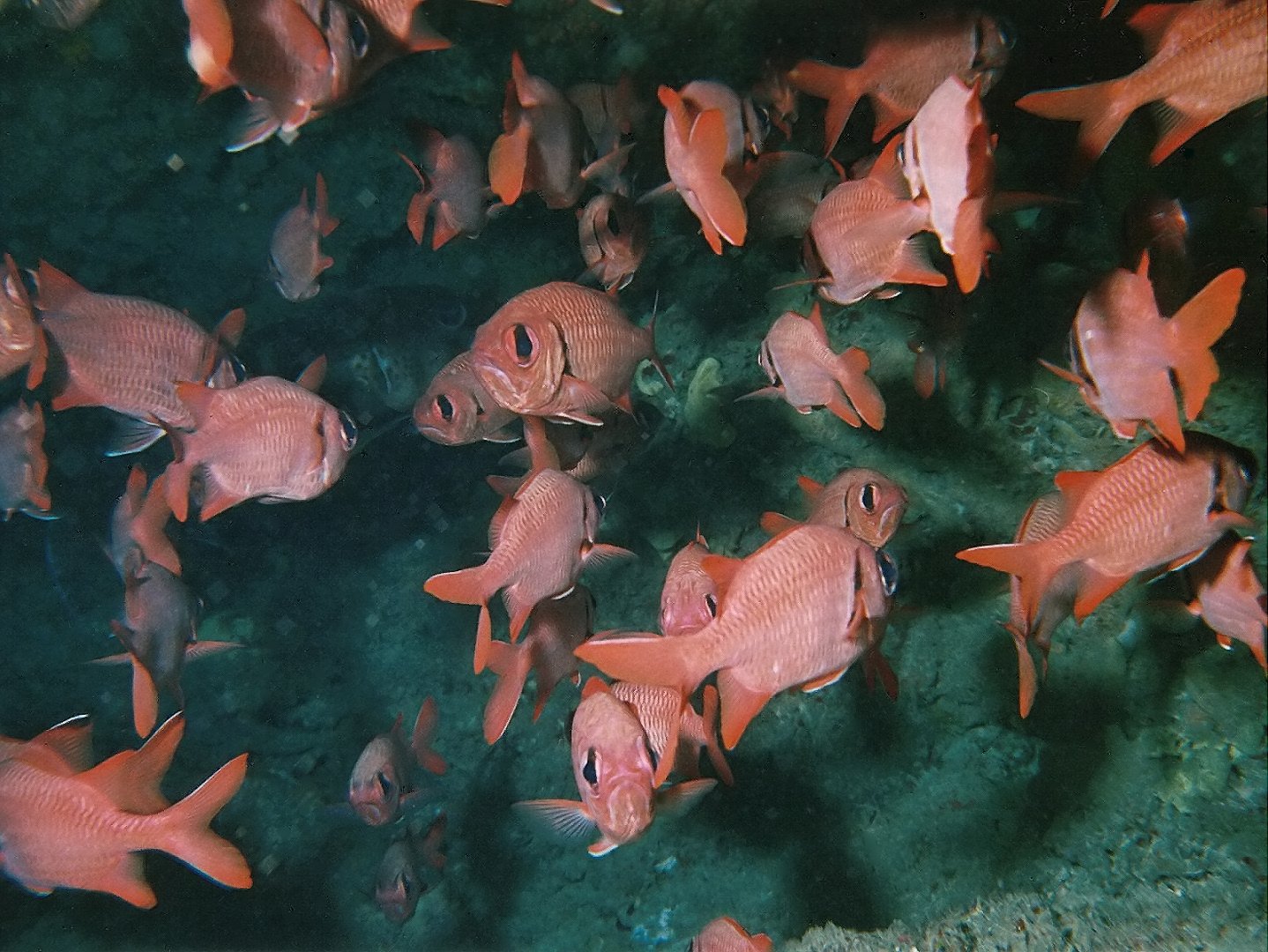

The programme includes initiation dives, dives for qualified divers, night dives, the drift dive at Passe St Jacques, snorkelling trips, private ocean safaris with a lunch on an island, and PADI courses such as the Open Water Diver course. Equipment can be rented. The website lists exploration dives for qualified divers from EUR 64, initiation dives from EUR 93 and the PADI Open Water Diver course from EUR 560. To dive you need your certification card, logbook and a valid medical certificate.
Opening hours: Monday to Saturday 8 am to 5 pm (closed on Sundays and public holidays).
Tamarin Ocean Pro Diving
Tamarin Bay, West Coast
Phone: +230 5850 0220
Website: tamarinoceanprodiving.com
Google Maps: Tamarin Ocean Pro Diving